



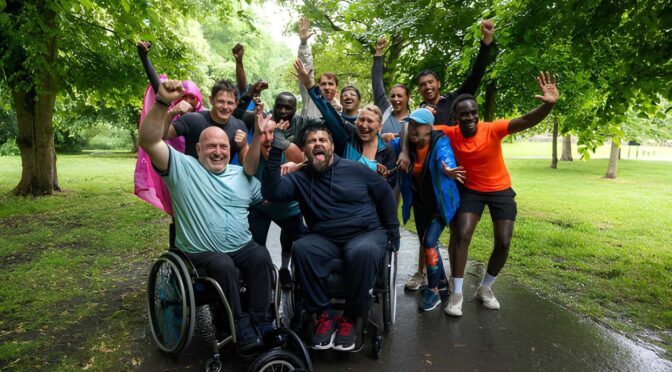
DisAbility group activities play a powerful role in helping people build confidence, improve social interaction, and develop important life skills. Many individuals who participate in structured activities through DisAbility day programs or NDIS day programs benefit from greater independence and stronger connections with their community.
These activities are designed to be inclusive, supportive, and enjoyable. They allow participants to learn new skills, express creativity, and engage with others in a safe environment. Whether offered in a DisAbility day centre or community space, group activities encourage participants to explore their interests and grow socially.
This article explores some of the most effective DisAbility group activities that support confidence building and social development.
Why DisAbility Group Activities Are Important
Participating in group activities provides individuals with disabilities an opportunity to interact with others in meaningful ways. Social engagement is essential for emotional wellbeing and personal growth.
Group settings allow participants to communicate, collaborate, and share experiences. This interaction helps improve social confidence and reduces feelings of isolation.
Programs offered through NDIS day programs and DisAbility day programs often include structured activities that focus on developing communication skills, teamwork, and problem-solving abilities. Over time, participants begin to feel more comfortable expressing themselves and engaging with others.
Another key benefit is routine. Regular attendance at a DisAbility day centre helps create structure, which can improve focus and independence.
Creative Arts and Craft Activities
Creative expression is one of the most popular forms of DisAbility group activities. Art and craft sessions allow participants to explore their creativity while building fine motor skills and concentration.
Painting, drawing, pottery, and craft-making activities encourage individuals to express emotions and ideas visually. These sessions also provide a relaxing and enjoyable environment where participants can work together and share their creations.
Creative activities often take place in DisAbility day programs, where trained staff support participants in learning new artistic techniques. In addition, group art sessions promote collaboration and conversation, which naturally improves communication skills.
When participants showcase their artwork, it also boosts their confidence and sense of achievement.
Music and Dance Programs
Music is a powerful tool for engagement and emotional expression. Many NDIS day programs incorporate music and dance as part of their daily activities.
Group music sessions may include singing, playing instruments, or participating in rhythm-based exercises. These activities help participants improve coordination and listening skills.
Dance sessions are also extremely beneficial. Moving to music helps improve physical health, balance, and flexibility. At the same time, participants enjoy the fun and social nature of dancing with others.
Music-based DisAbility group activities are particularly effective because they encourage participation regardless of skill level. Everyone can join in and enjoy the experience.
Outdoor and Community Activities
Outdoor activities play an important role in many DisAbility day programs. Spending time outside helps improve mood, physical wellbeing, and overall mental health.
Group outings may include park visits, nature walks, community events, or simple outdoor games. These activities allow participants to connect with their local community and experience new environments.
Community-based DisAbility group activities also help participants develop practical skills such as navigating public spaces, interacting with others, and building independence.
Many DisAbility day centres organize regular community trips to encourage social inclusion and help participants feel more connected to society.
Cooking and Life Skills Workshops
Cooking classes are another popular activity within NDIS day programs. These sessions help participants learn practical life skills while working as part of a team.
Participants may prepare simple meals, learn about nutrition, or practice kitchen safety. These activities help develop independence and confidence in everyday tasks.
Cooking workshops also encourage teamwork. Participants often work together to prepare dishes, which naturally builds communication and cooperation.
As part of structured DisAbility group activities, cooking sessions provide both educational and social benefits.
Sports and Physical Activities
Physical activity is essential for maintaining health and improving overall wellbeing. Many DisAbility day programs include sports and fitness sessions tailored to different ability levels.
Group activities such as yoga, light exercise, bowling, or adapted sports help participants stay active and improve coordination. These sessions also promote teamwork and positive social interaction.
Sports-based DisAbility group activities are especially valuable because they encourage participants to support one another and celebrate achievements together.
Regular physical activity can also improve confidence as participants notice progress in their abilities.
Social Games and Team-Building Activities
Games are an excellent way to promote interaction and build relationships. Board games, puzzles, trivia sessions, and group challenges are commonly included in DisAbility day centre programs.
These activities encourage participants to communicate, take turns, and work together toward shared goals. They also help develop problem-solving and decision-making skills.
Group games create a fun and relaxed environment where participants feel comfortable interacting with others. As a result, social confidence improves naturally over time.
Many NDIS day programs use team-building games to strengthen friendships and encourage collaboration.
Technology and Learning Sessions
Technology-based learning is becoming increasingly common in DisAbility day programs. Participants may learn how to use tablets, computers, or creative digital tools.
These sessions help individuals develop new skills that are useful in everyday life. For example, participants may learn how to send emails, search for information online, or create digital art.
Technology workshops also open the door to future opportunities, such as online learning or digital communication.
Including technology as part of DisAbility group activities helps participants stay connected to the modern world while building confidence in their abilities.
How NDIS Day Programs Support Group Activities
The National DisAbility Insurance Scheme (NDIS) supports individuals in accessing meaningful programs that improve quality of life.
Through NDIS day programs, participants can join structured activities that focus on personal development, social engagement, and independence.
A well-designed DisAbility day centre offers a variety of programs so participants can choose activities that match their interests. This flexibility ensures that everyone can find something they enjoy.
Support workers and facilitators play an important role in guiding participants, encouraging interaction, and ensuring that activities are accessible for all ability levels.
As a result, participants gain valuable life experiences and build lasting friendships.
Choosing the Right DisAbility Day Centre
Selecting the right program is essential to ensure participants receive the best possible support. A good DisAbility day centre should offer diverse activities, experienced staff, and a welcoming environment.
Programs should focus on individual goals while encouraging social interaction. It is also important that activities are adaptable to suit different abilities.
Families and participants should look for centres that provide structured DisAbility group activities while allowing flexibility and personal choice.
When participants feel comfortable and supported, they are more likely to engage fully and benefit from the program.
The Long-Term Benefits of Group Activities
Over time, consistent participation in DisAbility group activities can lead to significant personal growth. Participants often develop stronger communication skills, increased independence, and improved emotional wellbeing.
Group environments also help individuals build friendships and feel part of a community. This sense of belonging is extremely important for confidence and mental health.
Through well-designed NDIS day programs and supportive DisAbility day programs, individuals can continue learning, growing, and enjoying meaningful social experiences.Contact us for more information.
FAQs
- What are DisAbility group activities?
DisAbility group activities are structured programs designed to help individuals with disabilities engage socially, develop skills, and build confidence through shared experiences. - What happens in DisAbility day programs?
DisAbility day programs provide structured daily activities such as art, music, life skills training, and community outings to support personal development and independence. - Are NDIS day programs beneficial?
Yes, NDIS day programs help participants build social connections, develop practical skills, and improve overall wellbeing through guided activities. - How do DisAbility day centres support social skills?
A DisAbility day centre encourages interaction through group activities, teamwork, and community experiences, helping participants build confidence and communication skills. - How often should I attend DisAbility group activities?
The frequency depends on individual goals and needs. Many participants attend several times a week through DisAbility day programs or NDIS day programs to build routine, improve social skills, and gain maximum benefit from structured activities.

